LOOK CLOSER.
Contemporary Eastern Art by artist Niohe.
Inspired by Thangka, Chinese painting & calligraphy.
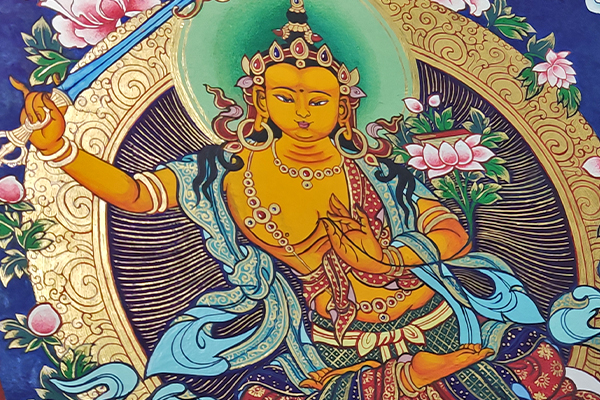
Golden Ink Arts is the independent art practice of artist Niohe, bringing together Chinese calligraphy, Chinese painting, and contemporary art inspired by Thangka and Tibetan Buddhist visual traditions.
Through ink, colour, and traditional visual forms, Niohe explores how Eastern art can find a place in modern everyday life.
INK ART
Brushwork, poetry & the space between strokes.
Rooted in Chinese calligraphy, these works explore the rhythm of the brush, the character of words, and the balance between ink and open space. From handwritten calligraphy to prints and small art objects, each piece brings the language of ink into contemporary life.
FROM THE STUDIO
Some works begin with a brush, ink, and paper. Others take shape through layers of color, traditional motifs, and digital exploration.
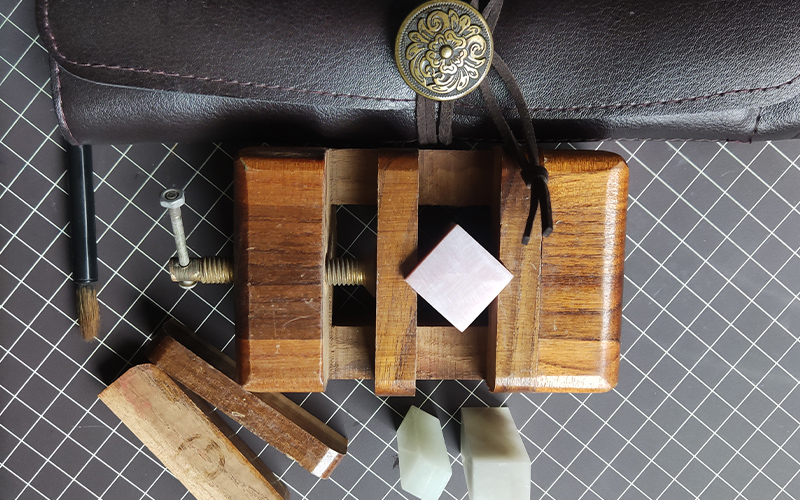
From the movement of a handwritten line to the smallest details of a painting, each work develops through a process of observation, experimentation, and careful choices.
Here in the studio, I explore how traditional Eastern visual languages can take new forms while remaining connected to their artistic roots.
ART FOR EVERYDAY LIFE
Art does not have to remain on a wall or within a formal setting.
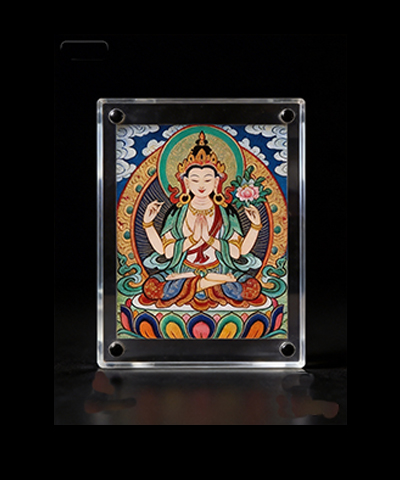
Through Chinese calligraphy, fine-art prints, desk displays, bookmarks, and digital works, I explore different ways for Eastern visual language to become part of everyday spaces — from a desk or bookshelf to the screen you return to each day.
Each form offers a different way to encounter the artwork, whether through a handwritten line, a familiar object, or a quiet image in your surroundings.
Explore the ideas, cultural histories, and creative processes behind Golden Ink Arts — from Chinese calligraphy and Thangka traditions to the materials, symbols, and choices that shape each work.
Explore the cultural stories and artistic traditions that inform the work, from Chinese calligraphy and painting to Thangka and related visual traditions.