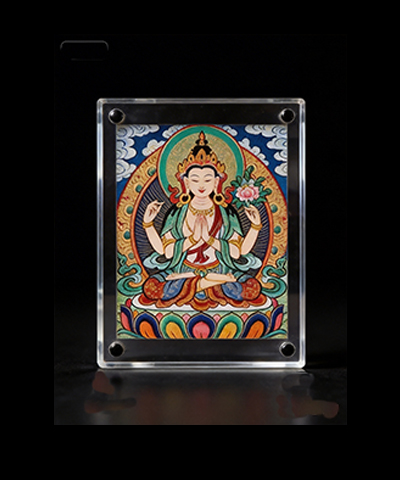
From Traditional Thangka to Modern Meditation Art

A Tradition of Devotion
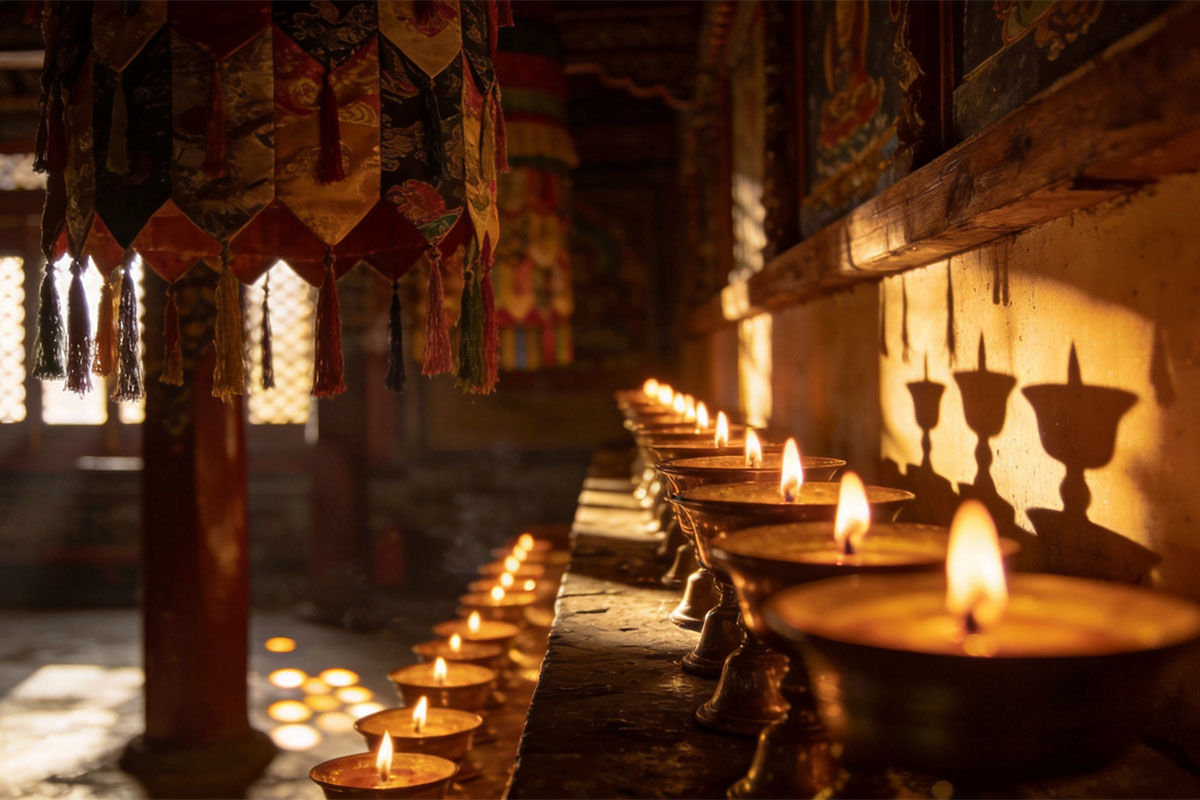
In Tibetan and Eastern traditions, a Thangka is much more than a painting.
It is a visual practice shaped by patience, discipline, and generations of cultural heritage.
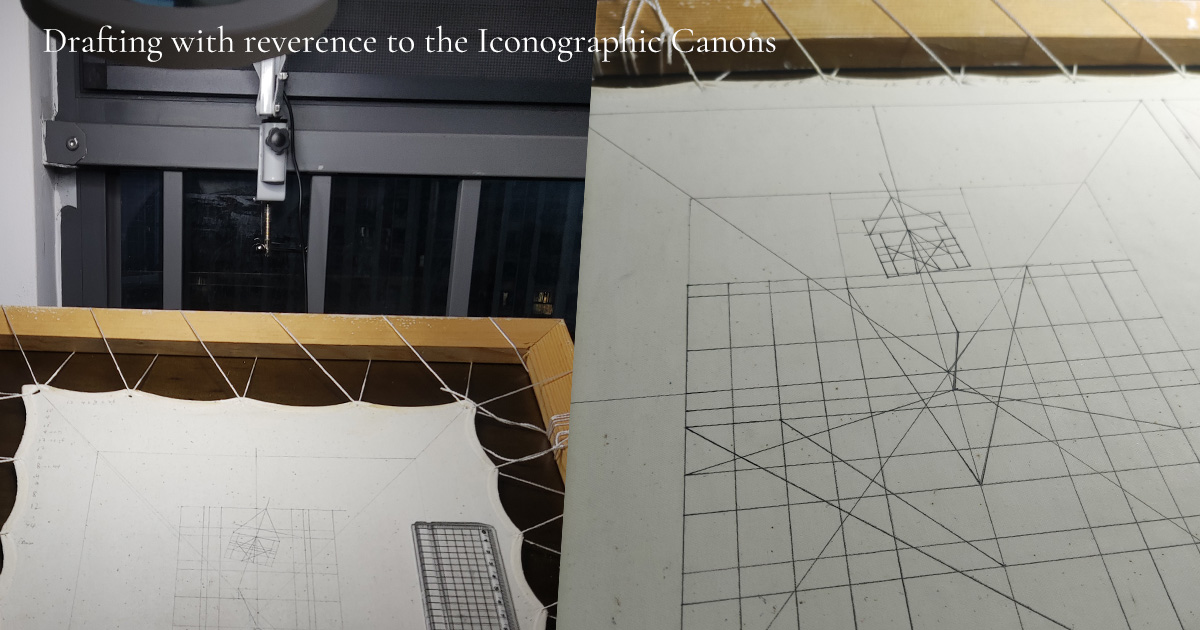
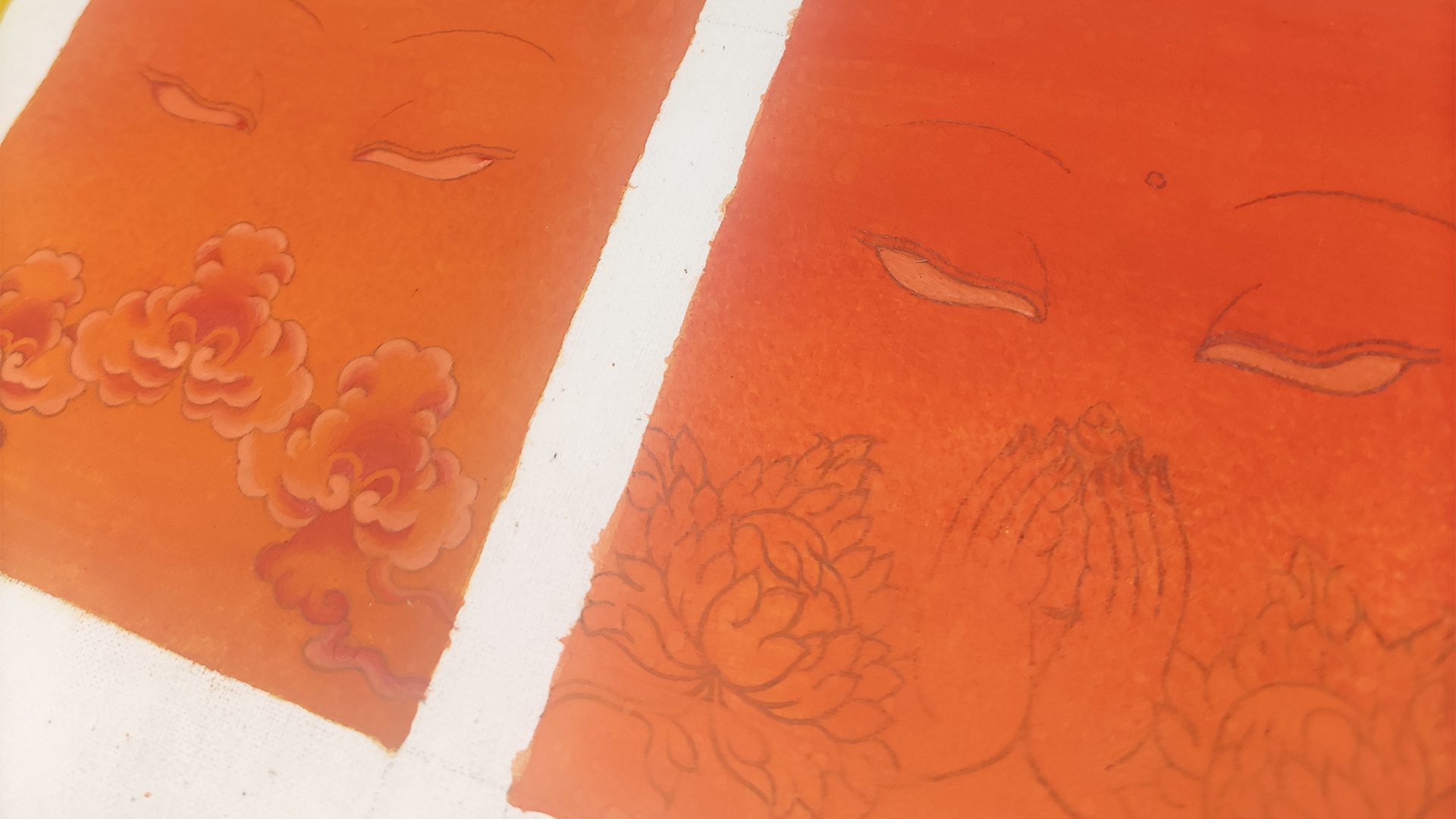
Creating a traditional Thangka often takes dozens—or even hundreds—of hours. Every stage, from preparing the canvas and grinding mineral pigments to drawing each line with precision, follows methods that have been carefully preserved for centuries.
Its richness is not meant to impress through complexity. Instead, it reflects a quiet devotion to craftsmanship, respect, and time.
Standing before a traditional Thangka, people often experience more than an image—they experience the weight of countless hours of focused attention.
The Question I Asked Myself
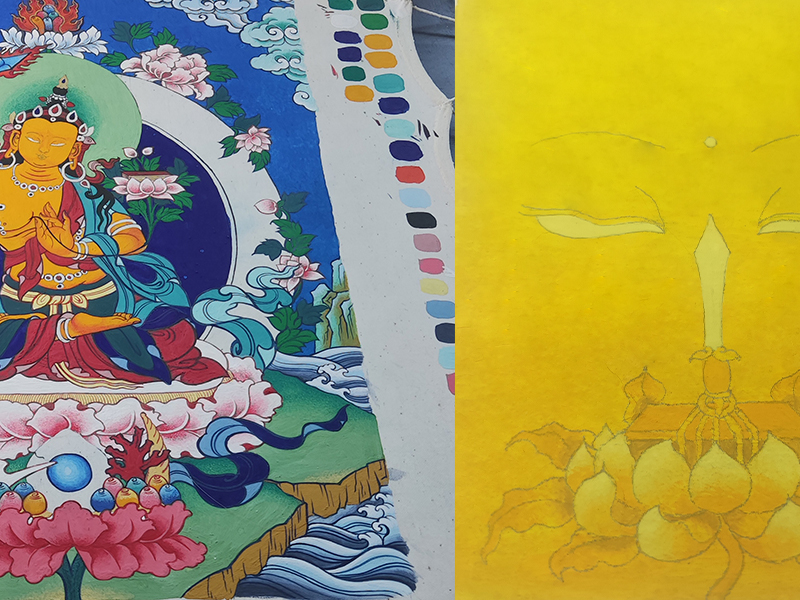
As I continued studying traditional Thangka painting, one question stayed with me.
What do people truly need today?
In a world filled with constant information and endless distractions, do we always need an artwork full of complex narratives and symbolism?
Or do we sometimes need something simpler—a place where our breathing slows down and our minds become quiet?
I never wanted to simplify Thangka because it was too complicated.
I simply wanted to create a place for it within modern life.
That question eventually became the beginning of Golden Ink Arts.
What I Changed
Little by little, I began removing rather than adding.
I kept the parts that moved me most deeply, while rethinking how they could exist in contemporary spaces.
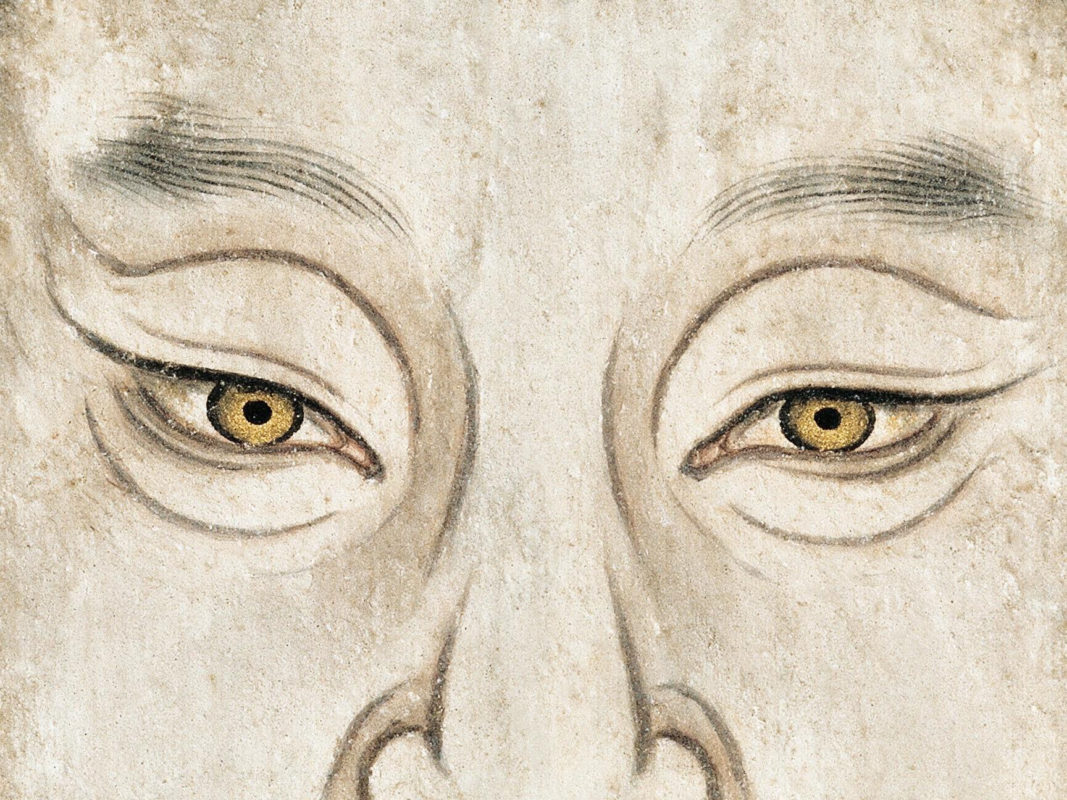
The detailed backgrounds gradually disappeared, allowing the Buddha’s eyes to become the quiet center of each painting.
To me, those eyes are not symbols of judgment.
They represent compassion, calmness, and silent acceptance.
I introduced larger areas of negative space.
Because empty space is not emptiness—it is where breathing happens.
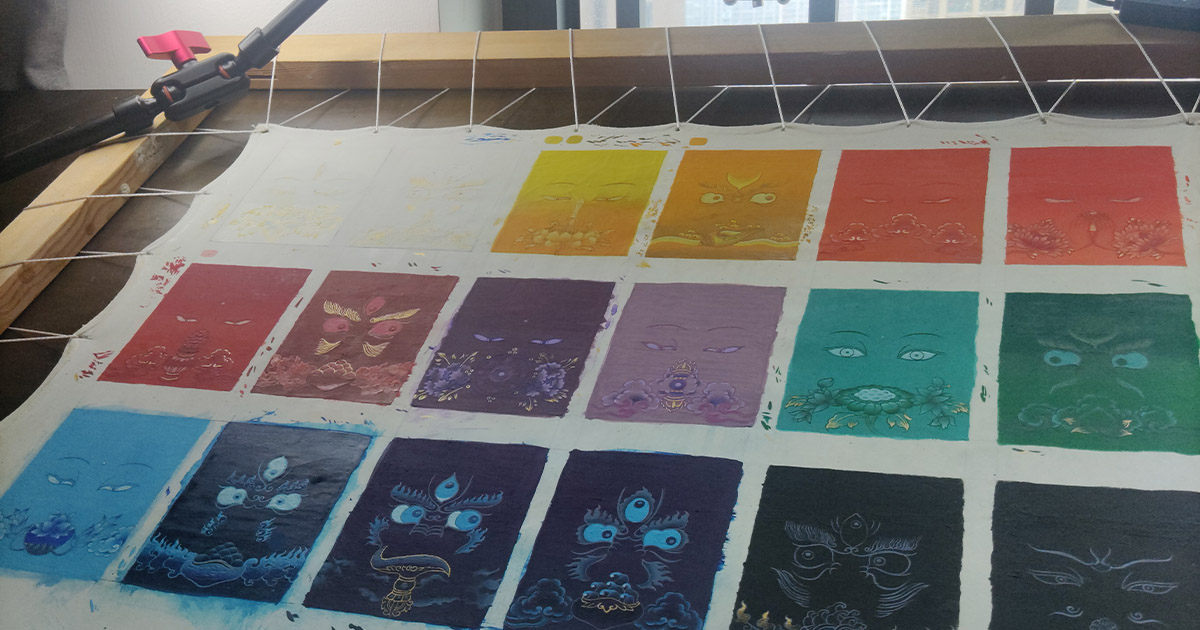
Color also became increasingly important.
Over time, my work naturally began connecting traditional Five Elements philosophy with contemporary color psychology and meditation practices.
Finally, I adapted the scale of my paintings so they could live naturally in modern homes, workspaces, reading corners, and even digital screens.
Because I believe art should accompany everyday life, not only exist inside museums.
What Never Changed
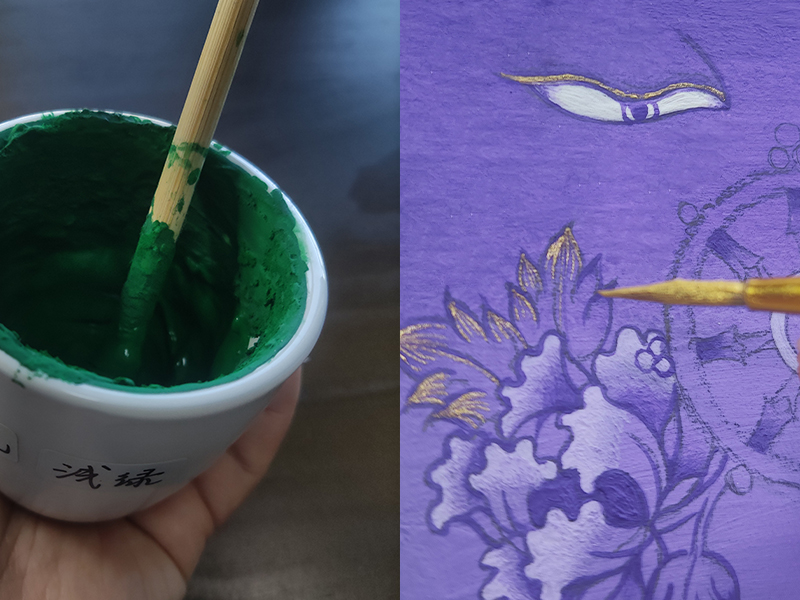
Although the appearance of my work has changed, its foundation has not.
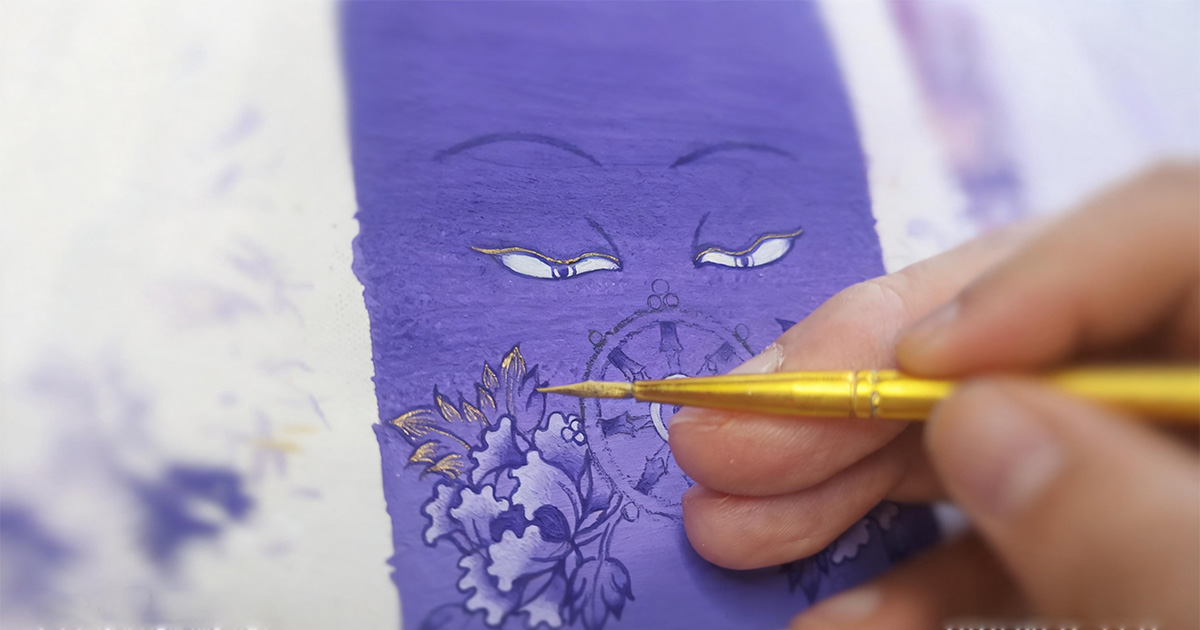
I still paint my original works using natural mineral pigments.
I still follow the discipline of traditional Thangka training, from proportion to linework and painting order.
And I still believe that what truly matters is not complexity.
It is patience.
Not decoration.
But sincerity.
Those are the greatest lessons traditional Thangka has given me.
For Modern Life
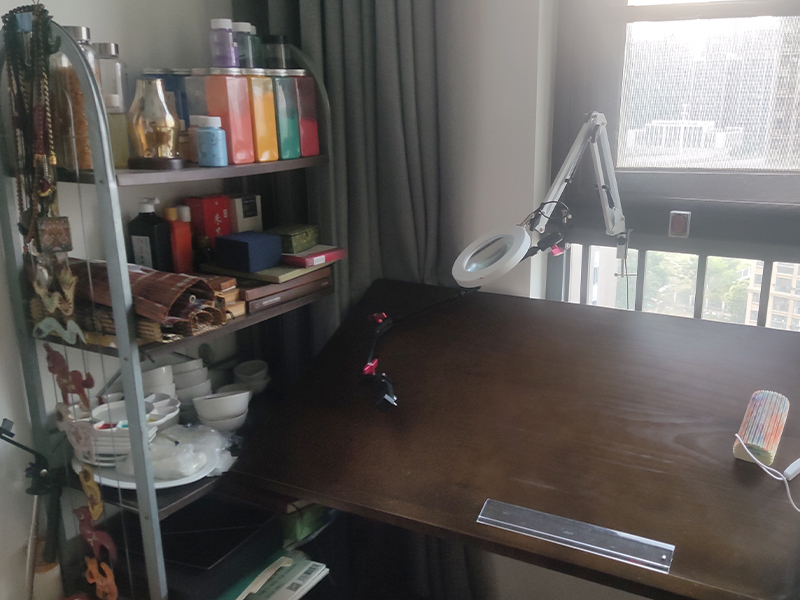
Golden Ink Arts is not about bringing religion into everyday life.
It is about bringing moments of quiet.
Perhaps after a long day at work.
Perhaps beside your favorite chair.
Perhaps before meditation.
Or perhaps every time you unlock your phone and see a familiar color waiting for you.
If that moment reminds you to slow your breathing,
to pause,
or simply to be present,
then the artwork has already fulfilled its purpose.
Because the most meaningful things we live with are not always objects.
Sometimes, they are simply quiet moments.